WHAT’S TUCKED AWAY IN YOUR PANTRY?

“For the Lord takes delight in His people; He crowns the humble with victory”. (Psalm 149: 4)

I’ve been thinking a lot about pride and humility often the past several days, especially as I continue to take in current events around the globe and in our nation. It seems strife and evil are prevailing in countries far away and close to home, too. Thinking or dwelling on what headlines are telling me is overwhelming, yet I don’t want to ignore the seriousness of any upheavals. So, although I am only one person, I find solace in praying for peace, asking God to intervene to protect the innocents, and raising up leaders of nations who are willing to lead in humility versus pride fed by egos and selfish ambition. Honestly, I think that’s a very tall order to hope for but I know all things are possible with God. But, writing about the woes of our world isn’t my focal point today. Setting that aside I want to visit a sweet memory belonging to my Grandma Jewell who often exemplified humility .

Imagine that you’re living on a small family farm during the depression years and waste–especially regarding food–was something as a homemaker you gave careful attention to avoiding. Tending your garden of vegetables, nurturing berry bushes you grew or foraging in nearby woods, you created jams, jellies, canned vegetables in a root cellar. Jars of mincemeat lined shelves waiting to layer between pie crusts.  Maybe your family owned one or two cows for milking from which you churned your own butter from the luscious cream. You realized, however, that although pantry foods will help get you through another year feeding a growing family of 11 children, the cows may stop producing in harsh winter months, the barn too cold for them I’ve been told. Your source for butter has run out, causing you to find alternative spreads for morning toast or evening’s biscuits.

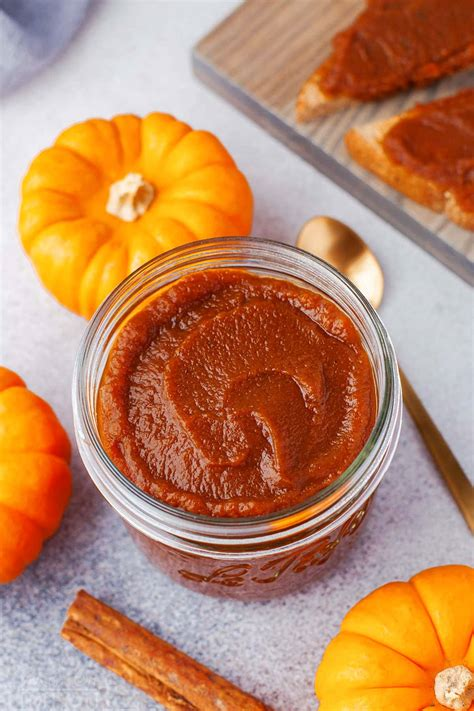
Dad told me years ago the family entertained a male guest one evening. He joined them for supper. I don’t remember what grandma served–probably chicken from one of the farm’s donors–vegetables from her pantry, potatoes from the root cellar and either homemade bread or biscuits. But she didn’t have any butter. She knew she had a huge bowl of pumpkin butter in the pantry, but she was too embarrassed to include it in the meal.

Polite dinner conversation filled her kitchen and as the evening progressed everyone began sharing memories and favorite things they liked. Lo and behold “Mr. Dinner Guest” declared “you know what I have missed for a LONG time?–pumpkin butter! Haven’t had it in years”. That’s all it took for a loving memory to push aside grandma’s fears and shame of not being able to offer her guest proper “butter”….dad said she stood up and in her well known sweet voice said “well, you just wait now, I’ll be right back”. She returned with her huge bowl of homemade pumpkin butter and set it smack dab in front of her house guest, beaming with joy as fearful pride faded from her spirit, now turned into a gesture of humility, giving way to delight this man’s tastebud memory!

I’m pretty sure the pumpkin she used to make the butter came from her own garden patch or maybe from a neighbor. It doesn’t really matter. Her ability to make the spread came from years of being frugal and creativity preparing meals for the family. The bounty she was able to collect from foraging, growing, and collecting were covered in prayers, too,  that often lasted into nighttime hours when her family was fast asleep.

I’ve never made pumpkin butter but I think I’ll give it a try. The ingredients aren’t too difficult to gather. I won’t have to forage for them. I actually have pumpkin in my freezer that I cooked and froze last fall. When I get around to making a batch, I will imagine my grandmother making hers–did she still have her wood stove at the time of this story? Did she save the seeds from the fruit of her pumpkins and roast them? Something tells me she did. Because grandma didn’t waste anything that could feed her family…or an evening houseguest the Lord knew she needed for reassurance there’s no shame when the cows aren’t producing the milk you rely on for regular butter.

TAKE OUT THE TRASH!

My husband and I have been watching an older series on television written and produced to showcase individuals who have adopted living a “hoarder” lifestyle. If you’re not familiar with the term it basically means folks who have created stockpiles of stuff either in their yards or inside homes. In most cases, any space on their property has become a place to stash and store their possessions. There’s a variety of styles that are used to accumulate the “stuff”…there’s the people who pick through someone else’s junk on trash day, purchases of new merchandise at stores or a thrift shop, an inability to throw out old items including daily common trash created from cooking meals, etc. Some of the episodes we’ve watched have revealed some pretty disgusting living conditions pertaining to rodent and insect infestation, unusable bathroom facilities, rotting floors, walls and ceilings from lack of proper maintenance.

As a viewer who is outside the situation it’s been easy to get frustrated and angry trying to comprehend how a person can get swallowed up by a hoarding lifestyle. My own frustrations are often echoed by family members, therapists and cleanup crews who are brought in to help a homeowner declutter property and home in order to rebuild habits that lead to a new healthy living environment. Usually the allotted time devoted to each project is 3-4 days, all intense work as rooms are unpacked, sorted for trash or possible donations.

We watch as the “hoarder” begins the cleanup journey with 100% enthusiasm, fully cooperating as their “treasures” begin to get packed, tossed into trash bags which pile up dumpster after dumpster. I think the worst case I’ve watched so far is that of an elderly woman who lived in a mansion and I kid you not–every room was packed full of stuff she had collected. Some of it began as a home business as an interior decorator but over time a shift in her brain caused a need to buy, buy some more, and never throw anything away.

We’ve also noted that in each person’s life chronicled in this series, some form of trauma in their life altered their behavior. Folks with normal common sense for daily living slowly adopted over buying, over keeping, not cleaning their home with regular routines only to find themselves surrounded, held captive in mountains of “stuff”. Sadly, their mental health challenge blinded them from unhealthy living conditions until an intervention was initiated by family and friends. By day 2 or 3 of the cleanup, cooperation is usually exchanged for denial, anger, and bartering to keep useless “stuff”. It’s sad.

As I’ve watched each episode I’ve witnessed how a therapist works with the “hoarder” to find the source of trauma, address it, and begin to gently admonish and teach new thought patterns to change their brains. I’m not sure if anything is scripted or if what we’re watching is pure raw conversations, but it’s very enlightening how trauma or believing a lie causes hoarding behavior in people.

Likewise, in the Body of Christ–those of us who follow Christ and meet together weekly in our church settings–bring a vast variety of hurts and habits with us. Together, we’re a hot mess. Some of our behavior was our own fault, others fall into the category of “sin against us”. In either case, Christ offers hope.

 “The one who does what is sinful is of the devil, because the devil has been sinning from the beginning. The reason the Son of God appeared was to destroy the devil’s work.” (1 John 3:8)

Furthermore, in Mark we read more about why Christ came: “ When Jesus heard this, he told them, “It is not those who are well who need a doctor, but those who are sick. I didn’t come to call the righteous, but sinners.”. (Mark 2:17)

In our ministry at Celebrate Recovery we deal with hurts, habits and hangups. We come alongside men and women who have lived lives filled with trauma. Unlike a TV program produced for educating and exposing a person’s hoarding lifestyle, we minister with Christ’s love and scriptures to reset brain patterns, launch healthy spiritual growth, and “cleanup” emotional baggage that has held people captive instead of living a life of freedom available through Christ. Unfortunately, the work in Celebrate Recovery is not limited to 3-4 days, but rather can take a lifetime of consistent hard work laying aside stinkin’ thinkin’ and giving full surrender to Jesus Christ as the only higher power to bring change, renewal, and hope!

So, does your life reflect that of a hoarder? Is there a deep hurt or a nasty habit holding you captive? At Celebrate Recovery we’d love to introduce the 12 step process that unlocks the door to your cell. We meet every Tuesday, 7 pm at Fowlerville United Brethren in Christ Church. For more information, call 517.223.9490.

What do you have to lose if you step out of your misery to seek a better way? Probably tons of unwanted “stuff”! 

PUMPKIN SPICE OR APPLE?

Ah, the arrival of October, and with it panoramas of leaves changing color before falling to the ground as their annual life cycle enters winter’s rest…temperatures begin to cool as we say goodbye to long days under sunshine…football and soccer games highlight our weekends…and a favorite of mine–trips to orchards to purchase apples!

The beauty of fall also has birthed a lighthearted debate popular on social medial–are you a “pumpkin spice or apple kind of person?” Billboards for our prime coffee shops lure us with extravagant flavors that reflect our love for “everything pumpkin, apple, etc.” Recently I saw a billboard featuring a new beverage with maple syrup as part of the mixings. Yum. Now there’s a third flavor in the competition!

So, which flavor is your “go-to”? If I had to choose one–pumpkin or apple–I honestly could not. I asked this poll question in a group of children and adults in church and to my delight several folks answered “it depends on what we’re talking about”, meaning is it in a beverage? A bread? A pie? That’s my position, too. If it’s a beverage, I lean towards pumpkin spice. If it’s a pie, I prefer homemade apple. Both satisfy my taste buds as I enjoy the bounty of fall harvests.

“Taste and see that the Lord is good; blessed is the one who takes refuge in Him.” (Psalm 34: 8) 

Blessed. It’s a common word used in Judeo Christian conversations. I learned this past week that the Hebrew word for “blessed” expands to mean “divine favor” and “joy fulfilled”. These gifts come from a divine being who is God. For the Jews He is the God of Abraham, Issac and Jacob. For Christians He is the triune God–God the Father, God the Son, and God the Holy Spirit. 

“The one” who is blessed are those “who take refuge in Him”. By refuge the psalmist means “a shelter or place of protection”. Seeking refuge creates images in my mind as a need to run from stormy circumstances to find a safe place until trouble passes.

We all face trouble in our lives, some more harsh than others. What’s beautiful about God is no matter what we are facing, He offers us a safe place in the shelter of His arms…under the shadow of His wings. A common Psalm–number 23–is one often read at funerals for our loved ones. Simply put, this psalm tells us that God cares for us, He meets our needs ahead of time, and we can find quiet rest in His arms. 

Pumpkin spice or apple. Restlessness or rest. Worry or confidence. These and more are worthwhile choices to ponder. Life is full of choices–some that are fun and create light memories–while others more serious decide the path we will follow. I think that Psalm 1 gives us important insight as to which path God desires for us: “Blessed is the one who does not walk in step with the wicked or stand in the way that sinners take or sit in the company of mockers, but whose delight is in the law of the Lord, and who meditates on his law day and night.”

Do you need to know more about God? I’m always available to chat with you about a relationship with Him. You can email me at celebraterecovery@gmail.com. We can chat over anything pumpkin spice or apple….your choice, I’ll buy. 

WHY FORGIVE?

Forgiveness.

Forgiveness is central to the biblical message, promoting reconciliation, compassion, and the transformative power of God’s grace. The Bible emphasizes forgiveness as a fundamental aspect of Christian faith. In both the Old and New Testaments, God is portrayed as merciful and forgiving, encouraging believers to seek forgiveness and extend it to others. In the New Testament, Jesus Christ teaches the importance of forgiving others, as seen in the Lord’s Prayer, where believers ask for forgiveness as they forgive those who trespass against them. 

So, why forgive? I found good responses to this question at biblehub.com.

  • Forgiving relinquishes negative feelings, gives room to replace with compassion and goodwill
  • Is essential in our relationship with God
  • Mirrors God’s character
  • Jesus endured grave injustice yet chose a path of grace
  • Forgiveness offers healing and restoration
  • Gives liberation from bitterness
  • Is obedience to divine command

While thousands of people watched the memorial service for Charlie Kirk, all eyes and ears were on his lovely wife Erika as she made her way to the podium, taking her place in front of watchful and discerning hearts blazing with questions, one in particular I imagine–”will she forgive the young man who murdered her husband?” Surely, as a woman made a widow in a few sharp seconds along with becoming a single mother to two young children, she had every right to embrace anger and wear it as a badge. But, in what has now become the focus of conversations and social media posts, Erika forgave. Why did she and how was she able to do so soon after her husband’s unjust murder? She did so with Christ’s example, His strength, His command.

If anyone knew the horrible effects of injustice it was Christ Himself. Tried in unfair circumstances He soon was mocked, tortured, and put to death in horrific and humiliation on a Roman cross. Yet, in His humility, sacrifice, and purpose, He asked His Father to forgive the very ones responsible for all that He endured.

Corrie Ten Boom writes of a time she was faced with whether to offer forgiveness. She and her sister–Dutch Christians–were imprisoned by the Nazis for aiding and assisting Jews during World War II. Sister Betsy eventually died while in captivity, causing Corrie to become very embittered toward the German soldiers, one in particular who was their overseer. Years after her release and returning to life, she describes being at a function where from across the room she recognized a man. Every negative emotion known to man rose up inside her as she continued looking at him. But something changed as she contemplated her situation. She knew in her spirit that God was telling her to forgive him. I don’t recall her exact words as she approached him (I read her book years ago) but I do remember that “when” she began to offer her forgiveness, and was able to engage with him in conversion, in turn he had opportunity to “ask” for her forgiveness because he had become a Christian and understood the effects of his past sins. In their example, it’s clear that by relinquishing their anger, compassion and goodwill indeed triumphed over evil.

Personally, I’ve had my own numerous challenges where it’s been necessary to forgive someone who has wronged me or a loved one. Some of my forgiving has been done with kicking and screaming much like a toddler throwing a tantrum. Others have come easier. Both are blanketed with the comfort knowing I’m striving to keep my relationship with God authentic for the benefit of myself and anyone “watching” my walk of faith.

Forgiveness is a very broad topic and one worthy of teaching, bringing understanding to the body of Christ. It’s a key component of Judeo Christian theology and often misunderstood by those living under secular influences. It’s powerful and it’s mysterious when put into practice. It’s necessary as we all encounter injustice, being hurt emotionally, spiritually, or physically. No, forgiving is not easy, but receive hope in this–choosing to forgive as an act of obedience keeps you in a right relationship with God. The one who hurt you is now released to God’s care for their own redemptive work. And while you may not “feel” completely joyful or happy once you’ve offered forgiveness, your emotions will soon change and catch up to your obedient heart.

How do I know this? As I’ve said, I’ve had to live out this command of obedience more times than I anticipated, but God was and continues to be faithful, rewarding me with a vibrant relationship with Him.

“Forgiveness is setting the prisoner free, only to find out that the prisoner was me” (corrie Ten Boom)

+-+

DANGERS OF LOSS & FALSE TEACHING

In recent weeks, due to a broken cabinet in our kitchen cupboards, I needed to rearrange the majority of my baking goods. This meant cleaning out a larger closet in our dining area to accommodate moving my items to a new home. If completing that task wasn’t enough I found myself in “give a mouse a cookie mode” and continued cleaning and purging other cabinets in the kitchen. One such shelving area is where I keep my variety of spices. Included with those spices is my collection of salt varieties. I counted that I have five different salts: Baja, Pink Himalayan, Kosher, Course Sea Salt and Fine Sea Salt. 

Did you know that salt is mined globally? It’s found in underground rock salt beds, evaporated sea water from salt flats and coastal salt pans. The United States has key mining sites from Kansas, Louisiana, Michigan, New York, Ohio, Texas, and Utah.

Salt has been a world commodity for centuries. It was used for preserving foods, adding flavor, and as a means of payment. Ancient people knew the value and significance of salt’s benefits in daily life, therefore it came as no surprise when Jesus referred to God’s people as being the “salt of the earth” in His sermon on the mount. Matthew recorded His words found in Chapter 5, verse 13: “You are the salt of the earth. But if the salt loses its saltiness, how can it be made salty again? It is no longer good for anything, except to be thrown out and trampled underfoot”.

I don’t know about you, but as a Christ follower I don’t want to run the risk of losing my effectiveness as a Christian witness, to be considered as “no longer good for anything” or something to be thrown out or trampled upon. When cleaning out my pantry items, there was stuff that had lost its quality, or I was no longer interested in keeping it, so in the trash bin it went.  When I look and listen to what’s happening in our world, in our communities, and in some of our churches, I dare say that many Christians and even some of our churches, have lost their saltiness. 

I’ve watched and witnessed good individuals being slowly caught up in what’s now defined as Progressive Christianity. Not sure what this is? Take some time to do an online search to discover how it’s defined. Its tenets sound very good at first glance, but with deeper reading and digging behind pretty words, evidence of swaying from biblical truths to embrace humanistic teachings surface and challenge its validity of being biblically sound. I think this erosion from truth is why we’ve seen an increase in Christian apologetics across social media etc. to counteract lies against the tenets of Christian theology. Individuals such as the late Charlie Kirk and Ravi Zacharias, were eloquent in explaining many topics covered in scripture for our role as sincere Christians. Others whom i enjoy learning from include Alisa Childers, Del Tackett, the teaching staff from “Walking the Text”, Lee Strobel, Josh McDowell, Hugh Ross, R.C. Sproul.

By no means am I an apologetic, however, I value and trust these strong knowledgeable individuals. Lee Strobel is a former atheist. Hugh Ross is an astrophysicist (he uses BIG words sometimes but is fascinating!) The others all have their rightful individual styles but are amazing at bringing the bible alive for today’s Christ followers, which is vitally important as we live in times where many people are following their own sinful hearts versus seeking to live under the commands and guidance from God’s plan of salvation and Christian living. 

Cleaning a kitchen cabinet is really a very simple task that doesn’t hurt anything or anyone other than tossing out unwanted stuff. Teaching and leading people astray with false teachings based on humanistic doctrines is very serious and will not go unpunished from God when He deems so.  Matthew is also credited with describing falling trap to false prophets. In verse 15 of Chapter 7 we read “Beware of false prophets, which come to you in sheep’s clothing, but inwardly they are ravening wolves”.  In 2 Peter 2: 1-3 we read that false prophets come secretly with destructive heresies, deny the Lord, and exploit people with deceptive words.  And this in 2 Timothy 4: 3-4: “For the time will come when people will not put up with sound doctrine. Instead, to suit their own desires, they will gather around them a great number of teachers to say what their itching ears want to hear. They will turn their ears away from the truth and turn aside to myths.”

There are varieties of salt and each has its purpose. There are different approaches to interpreting and teaching God’s Word. You and I have the responsibility to “test” what’s being taught, to “test” the fruit of the teacher, and to discern if we are being infiltrated by a wolf in sheep’s clothing.