“Let’s play ball!”
There was no announcer several weeks ago when softball season launched for our oldest granddaughter who has embraced this wonderful summertime sport and favorite pastime for many of us. Instead, opening games began in early June which has changed our weekly schedule as we attend her games. Announcer or not, games played are under their belts with more remaining through the month of July.
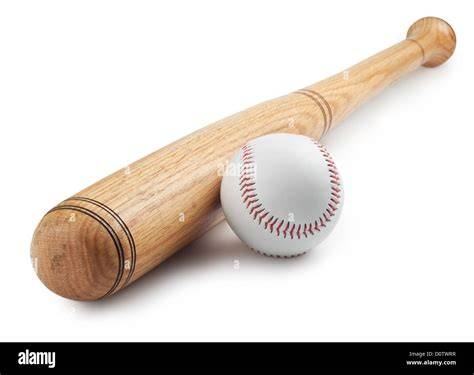
Watching our 11 and 10 year olds who make up our granddaughter’s team has been an opportunity to reflect on my childhood at that age. Our granddaughter began playing baseball at age 5 when batters hit the ball off a “T”. I played ball for one season at the age of 14. She’s completely outfitted with an official uniform, name on her jersey, owns 1-2 bats (aluminum mind you) and a glove that cost more than my monthly cell phone bill. When I played, I borrowed my older brother’s mitt (we were both left-handed) , used a bat that the coach brought (all wood) and our uniform consisted of a team T-shirt with our team name and number on the back.
I’m not discounting or undermining the advancement in team sports for girls or boys by any means. In addition to the changes in equipment, I’m glad to see that all players are required to wear a helmet complete with face protection. In addition to our team T shirt, we wore shorts, and athletic shoes compared to today’s special shoes. Macklynn’s main position is that at home plate as the catcher so her protective gear covers her from head to toe. Her current catcher’s mitt will be one that she can use through high school.
As grandparents, we’ve attended all of her games, whether traveling to another community or home games in Bath. Another observation–one that is very pleasing–is the good sportsmanship we’ve witnessed from rival teams and their own cheering sections of parents, grandparents, and friends. Loud clapping for good plays is common. Encouragement from parents or the coach can be heard, too. We’ve even experienced opposing spectators clap for a good play made on the field. This is a true and pleasant example of good sportsmanship, acknowledging when a player performs well, regardless if it’s “your” team or not.
We were in Springport a couple of weeks ago for a double header game and their parents hosted a meal between games to feed the girls as well as family and friends. I grabbed a plate of food and walked past a circle of girls sitting on the ground, our players mixed in with their competitors. They were laughing and enjoying being together as hot dogs, fruit, and desserts filled hungry bellies, bodies being refueled after playing the first game. In those moments together, competitive strategies were set aside in favor of being silly little girls.
Good behavior from players and onlookers. Positive words from coaches and parents. No putdowns. No bad language. All this reminds me of a verse from Hebrews that I like. “And let us consider how we may spur one another on toward love and good deeds, not giving up meeting together,, as some are in the habit of doing, but encouraging one another….”
Sure, the writer of Hebrews is addressing believers, but I really think these words can be applied to how we–and our kids–treat others. They admonish us as adults how to model behavior that is laced with integrity, kindness, and healthy competition versus being rude, crude, or obnoxious. When the former attributes abound in our young parents and players, I have hope for seeing communities grow and prosper under positive leadership and guidance possessed by all of them.
Yes, softball season is here. It’s been exciting thus far hearing the cracks of bats connecting with a fast pitch, runners advancing to bases with home plate in mind, dirt swirling in the air when someone makes a slide into a base, loud cheers when a fly ball is caught, groans when the ball is dropped. It’s great fun to watch our young athletes use their talents for hitting and catching, all working together to be victorious. And when the game ends, it’s reassuring to see fist bumps between both teams, “good game, good game” echoing from each one as they get ready to leave the field, meet up with mom and dad, dust off dirty leggings, pack up all the gear and head home. Plus, with a game behind them, another one is on the schedule. In the meantime, after game treats and giggles will suffice to fill summertime fun with family and friends, until it’s time for the umpire to yell “Let’s play ball!”